

Games for Marketing: How Promotional Games Turn Attention into Measurable Brand Engagement
In modern experiential marketing, attention is no longer enough. The real challenge is conversion of attention into participation—and participation into memory. This is where games for marketing become a strategic engine rather than a novelty. When designed correctly, promotional games transform trade show booths, brand activations, and corporate events into interactive environments where audiences don’t just observe the brand—they play it.
At a busy trade show, one booth becomes a magnet while another is ignored. The difference is rarely product—it is interaction design. A well-placed branded game creates motion, curiosity, and social proof simultaneously. People gather, watch, compete, and share. That cycle is the foundation of modern promotional engagement.
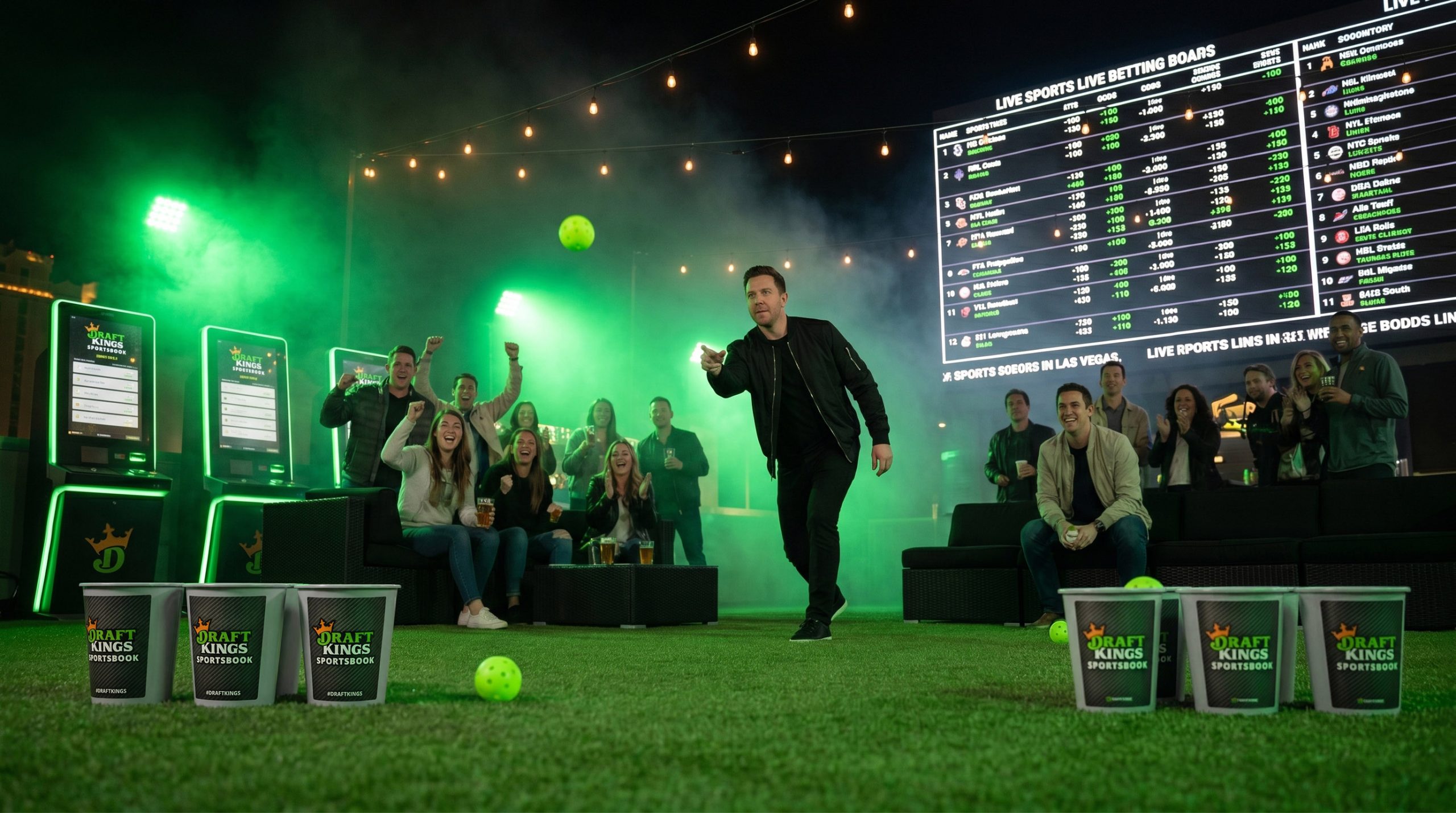 Why Games Work in Marketing Environments
Promotional games function as behavioral triggers. They replace passive viewing with active participation. Instead of a brochure, attendees are given a challenge. Instead of a pitch, they are given a moment of play.
From a marketing perspective, this creates three core advantages:
- Dwell time increase: attendees stay longer at the booth due to repeated gameplay loops.
- Memory encoding: physical interaction strengthens brand recall.
- Social amplification: spectators become secondary participants.
This is why platforms like interactive promotional games for trade shows crowd magnets focus on engineered engagement loops rather than static giveaways.
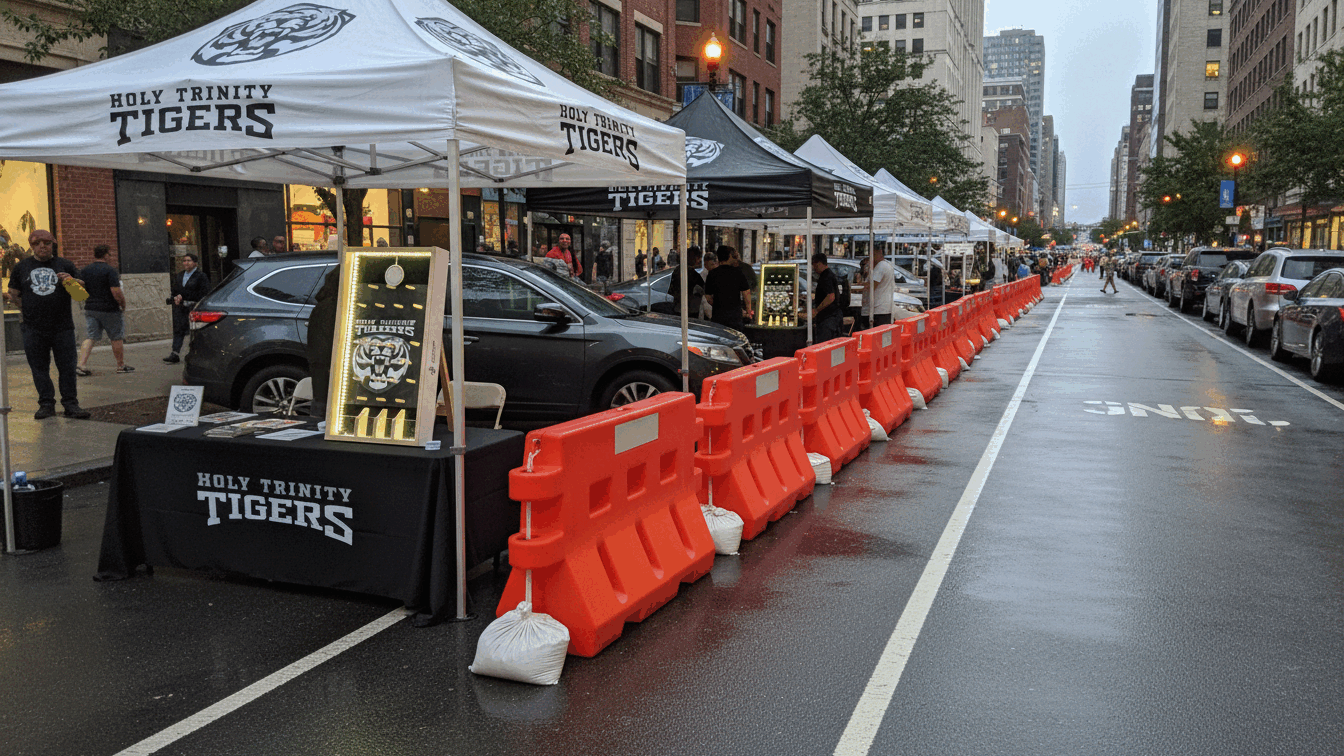 Trade Show Games: Designing Booth Gravity
Trade shows are spatial economies. Every booth competes for limited attention bandwidth. Games solve this by introducing motion and sound into otherwise static aisles.
A simple branded challenge—basketball shots, ring toss, or drop-to-win mechanics—creates a micro-event inside a larger event. The booth becomes a stage.
Explore systems designed specifically for this environment in games for trade show engagement systems.
One exhibitor scenario illustrates this clearly: a booth installs a mini basketball challenge. At first, only a few participants engage. Within minutes, a queue forms. The queue itself becomes marketing—drawing additional traffic from across the hall.
 Brand Activation: From Message to Experience
Brand activation shifts the goal from exposure to embodiment. Instead of telling audiences what a brand is, activation allows them to experience it through structured play.
This is where games for brand activation become narrative devices. A score becomes a metaphor. A challenge becomes positioning. A reward becomes association.
See structured activation systems in top promotional game ideas for brand activation events.
A well-executed activation might involve a tournament-style format where participants return throughout the day to improve scores. This creates recurring engagement cycles rather than one-time interactions.
 Types of Promotional Games That Drive Engagement
Not all games function equally. High-performing games for marketing events typically fall into structured categories:
- Skill-based games: basketball shots, toss games, timing challenges
- Chance-based games: prize wheels, drop systems, randomized reward structures
- Physical branded games: cornhole, putting greens, tabletop sports
- Social games: leaderboard competitions and team challenges
These systems are explored further in branded games for events and engagement systems.
 Narrative Layer: The Booth as a Micro-Story
Imagine a trade show attendee walking past ten identical booths. One has a static display. Another has motion—laughter, competition, applause. Without knowing the brand, the attendee stops.
A simple game begins. A shot is taken. A score is posted. Others gather. Suddenly, the booth is no longer a booth—it is a moment.
This transformation is the core value of promotional games for businesses. They turn environments into stories that unfold in real time.
 Measurable Outcomes in Game-Based Marketing
While traditional marketing measures impressions, game-based systems measure participation density. Each interaction becomes a data point:
- Number of plays per hour
- Repeat engagement cycles
- Lead capture conversion moments
- Social sharing triggers
These are not abstract metrics—they are behavioral signals that indicate brand resonance. More importantly, they scale naturally with foot traffic without requiring aggressive selling.
Implementation Framework for Brand Teams
To deploy effective promotional games, marketers typically follow a three-layer structure:
- Attraction layer: visual presence and motion to pull attention
- Engagement layer: simple, repeatable gameplay mechanics
- Conversion layer: lead capture integrated into participation
This structure ensures that games are not isolated entertainment but integrated marketing systems.
Sports-Inspired Promotional Systems
Sports mechanics remain one of the most effective formats for engagement because they are universally understood. Basketball hoops, cornhole sets, and putting games translate instantly across audiences.
Examples include branded cornhole boards and custom mini basketball hoop systems, which function as both entertainment and branding surfaces.
Conclusion: Games as the Future of Marketing Interaction
The evolution of marketing is moving away from passive consumption toward structured participation. Games are no longer just booth accessories—they are engagement architectures.
When brands deploy promotional games strategically, they create environments where attention becomes action, action becomes memory, and memory becomes brand affinity.
For teams building their next activation, the opportunity is not just to show up—it is to be played.
Ready to build your activation?
Explore ideas, systems, and branded solutions or take the next step below: