


Campaign strategy / Event marketing
Gaming Marketing Activations: How Branded Games Support Event Marketing
A practical guide to choosing games, building participation into a campaign, and measuring what happens next.
The campaign starts with a clear purpose
Turn an Event Moment Into Active Participation
A gaming marketing activation uses a game as part of a larger marketing campaign. Rather than relying on a display or message alone, a brand invites people to take part: make a shot, play a quick round, compete with a colleague, or try a product-linked challenge.
Physical branded games can create a visible gathering point and a natural opening for conversation. The game itself does not collect leads or guarantee a sale. The campaign team builds those outcomes around play through staffing, a relevant message, optional registration, a reward, or a follow-up offer.
This guide explains how to plan gaming activations for trade shows, sports sponsorships, retail promotions, corporate events, and tours—and how to evaluate their contribution without overstating what a game can do.

01 / Define the format
What Is a Gaming Marketing Activation?
It is a campaign experience where gameplay supports a defined marketing purpose. That purpose might be introducing a product, starting conversations, helping fans engage with a sponsor, or making a customer event more participatory.
Gaming activations versus traditional marketing
Traditional advertising can put a message in front of an audience. A game adds an invitation to act. Participants may take a turn, watch a friend, ask how to play, or talk with staff while waiting. These interactions create opportunities for a brand conversation, but the campaign still needs a clear message and a thoughtful way to continue the interaction.
Digital gamification typically adds points, progress, or rewards to a digital experience. A physical activation uses a tangible activity—such as cornhole, a basketball challenge, putting, or a tabletop game—as its central interaction. The two approaches can be combined, for example by using a QR code or digital leaderboard, but technology is an added campaign layer.
The role of physical branded games
A familiar game is often easy to explain and easy to join. Custom graphics, branded components, signage, and a campaign-specific challenge can make it recognizable as part of the brand experience. Competition can attract spectators; cooperative play can encourage groups to participate together.
The branding, rules, reward, staffing, and participant journey are intentionally connected to a campaign objective. A branded game placed in a room without that connection may be enjoyable, but it is not a complete campaign plan.

02 / Build the campaign
How to Incorporate Games Into Marketing Campaigns
Start with what the audience should do and remember. Then build a simple, inviting experience around that goal.
Attract attention and participation
Place the game where it is visible and approachable. Keep instructions brief, make the first turn easy to understand, and use short rounds when attendee flow matters. Staff can invite spectators to play when a spot opens.
Offer an optional next step
A staff conversation, QR code, landing page, or badge scan can connect play to a product detail or follow-up. Explain what information is requested and how it will be used. Make participation available without unnecessary data collection.
Connect play to a reward
Use a participation giveaway, score threshold, timed challenge, or leaderboard when it suits the audience and campaign. Set clear rules and prize terms in advance so the reward feels fair and the activity keeps moving.
Reinforce product messaging through gameplay
Custom artwork can bring campaign colors, a launch theme, or a product benefit onto the game surface and surrounding signage. Keep the message legible while people play and while others watch or take photos. Avoid cramming every product claim onto the equipment; use a nearby sign or conversation to provide details.
For broader inspiration, explore marketing activation game ideas. Use that resource to consider possible formats; use this guide to plan how a selected format will work within a campaign.
03 / Match the setting
Gaming Activations by Campaign Type
The right activity depends on the venue, audience, available time, and campaign goal. A short-turn game may suit a busy booth; a tournament may fit a fan zone with scheduled programming.
Trade shows and exhibition booths
A compact, quick-play activity can give visitors a reason to pause and create a natural opening for a sales conversation. Consider cornhole, mini basketball, putting, or tabletop play based on booth footprint, queue space, and staffing. Make sure the game does not obstruct neighboring exhibits or accessible routes.
Sports marketing and sponsorships
At a pregame event, fan zone, or sponsor hospitality area, a head-to-head challenge can connect the sponsor to the energy of the event. Use a simple scoring format, visible prize rules, and a schedule that fits the venue. Team colors or campaign graphics can make the connection clear, while staff can explain the sponsor’s role and invite interested fans to learn more.
Retail promotions and product launches
A spin-to-win mechanic or skill challenge can give shoppers an interactive introduction to a new product. Keep the activity within the store’s circulation plan and make the product connection easy to understand. If a QR code leads to an offer or product page, test it on mobile before launch.
Corporate events and employee engagement
Team play can help colleagues interact across departments or make a customer gathering feel more social. Choose inclusive rules, allow for different ability levels, and offer alternatives for guests who prefer to watch or participate without competing.
Mobile tours, festivals, and outdoor events
For multi-stop campaigns, select games that can be transported, set up, reset, and stored consistently. Create a repeatable format for staff training, signage, scoring, and brand presentation, while leaving room to adapt to each venue.
04 / Choose the right equipment
Select Brand Activation Games for the Experience
Consider participant throughput, space, familiarity, and how the game will look in the setting. The most elaborate option is not automatically the best fit.
 Cornhole
 Basketball challenges
 Putting and precision games
 Tabletop and compact games
Choose by gameplay and footprint
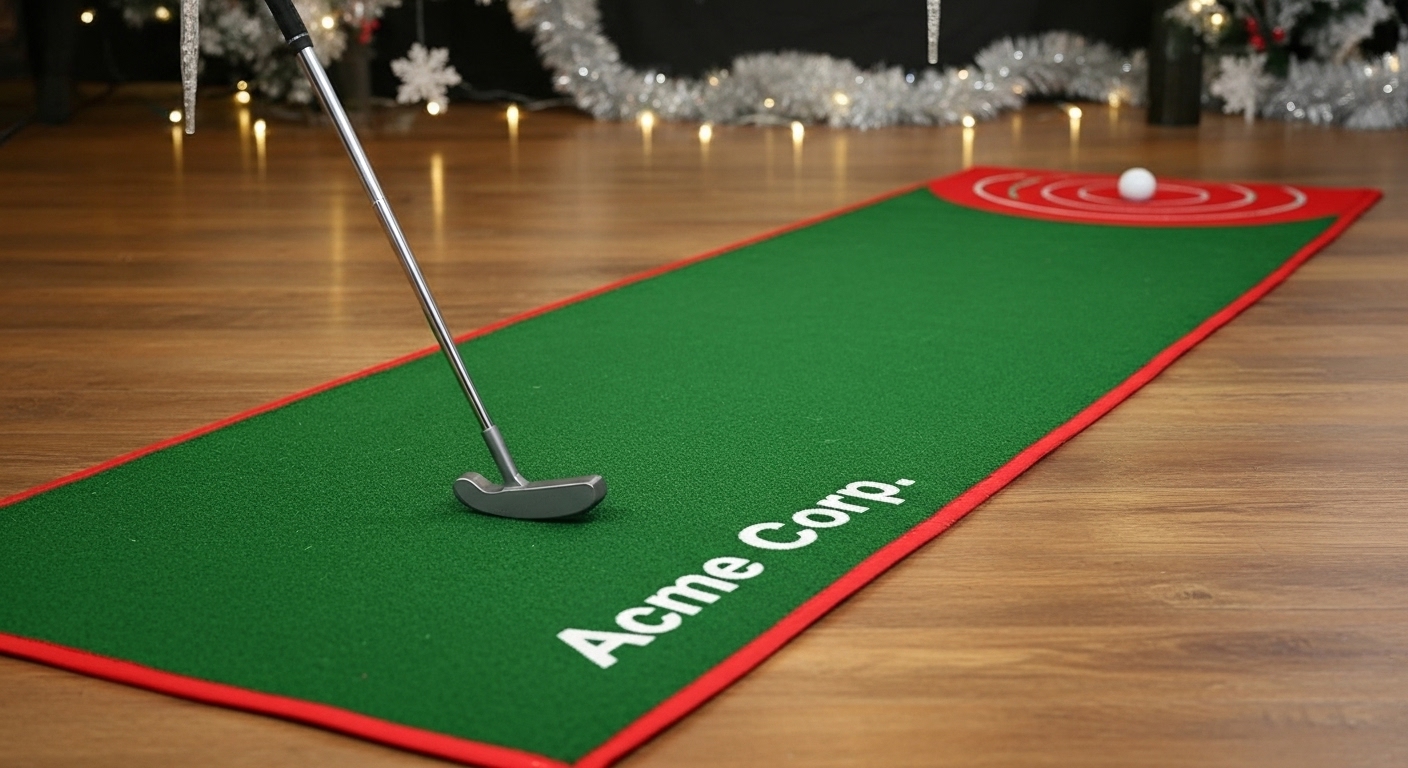
Cornhole works for social play and can support casual rounds or an organized tournament. Regulation formats suit a more structured competition; portable tailgate formats can be easier to move and deploy. Basketball games create a fast, visible scoring challenge, including head-to-head play with a dual game. Putting, ring toss, and target games can make skill-based challenges approachable. Tabletop games fit smaller spaces and hospitality settings.
For a distinct concept, a portable brand activation arcade game can bring several play experiences into one branded area. Review setup needs, power requirements if applicable, supervision, transportation, and queue flow before selecting an arcade-style format.
Explore games for different brand activation campaigns to compare options by setting and use. Confirm current specifications and customization options with the supplier for the particular product.
05 / Make the brand connection
Design a Custom Game Around the Brand Story
A custom brand activation game should feel like part of the campaign rather than a logo placed on unrelated equipment. Use brand colors and recognizable marks consistently, and consider how printed surfaces, scoring areas, rules, and prizes reinforce the experience.
Match the game to the audience
Think about age range, familiarity, accessibility, individual or team play, and whether the desired tone is casual or competitive. A game that is too complicated for a short interaction may slow a busy event; a very simple format may need a stronger challenge or reward to hold attention in a longer program.
Plan for portability and reuse
Confirm dimensions, setup and breakdown time, storage, transport, and the conditions in which the equipment is intended to be used. Reusable equipment may support multiple campaign stops; refreshed artwork or modular signage can help adapt it for a new message. Approve a logo mockup and production proof before manufacturing.

06 / Measure what matters
Evaluate the Results of a Gaming Marketing Activation
Measurement starts with the objective. Pick a small set of indicators the event team can collect consistently and interpret in context.
Participation and engagement
Track the number of participants and rounds, repeat plays, and—if practical—the average time spent in the experience. If staff can estimate how many spectators become players, document the counting method. These measures describe activity; they do not by themselves prove increased awareness or sales.
Lead generation and conversion
Use unique QR links or campaign landing pages to track scans and visits. Record registrations and qualified leads only when the process captures them reliably. Compare post-event follow-up or conversions over a defined period, and distinguish attributed outcomes from general activity that happened after the event.
Social sharing and brand exposure
A photogenic game, branded backdrop, or leaderboard can make sharing easier, but sharing is a participant choice. Track campaign mentions and hashtag usage where available, and review whether the brand is visible in shared content. Do not assume every photo produces meaningful reach.
Calculate campaign effectiveness carefully
Compare total campaign costs with outcomes that match the objective. Useful calculations may include cost per participant or cost per qualified lead; conversion rates can be calculated from a clearly defined eligible audience. State the time period and data source, and separate directly measured results from estimates. A physical game does not automatically provide real-time tracking, improve lead quality, or guarantee return on investment.
07 / Prepare to execute
Plan a Successful Gaming Activation
A straightforward event plan helps staff focus on the experience and keeps participation aligned with the campaign.
- Set the objective: Decide whether the priority is awareness, product education, conversations, leads, social sharing, sponsorship visibility, or team engagement.
- Select the format: Match game complexity, round length, number of players, and footprint to audience flow and venue rules.
- Write the participation rules: Explain how to play, how scoring works, who may enter, and how winners are selected.
- Build the reward structure: Set participation prizes, score thresholds, tournament timing, prize quantities, and any applicable terms.
- Prepare brand materials: Coordinate artwork, instructions, signage, QR codes, and prize presentation; test links and devices before event day.
- Assign event roles: Name who will set up, welcome participants, explain rules, manage queues, record metrics, and reset the game.
- Plan data and follow-up: Collect only the information needed, explain its use, obtain appropriate consent, and determine who will follow up and when.
- Check logistics: Confirm delivery dates, access windows, storage, safety, accessible circulation, power needs where relevant, and a contingency for outdoor conditions.
Run a complete practice round with the equipment, instructions, reward process, and measurement method. A short rehearsal can reveal confusing rules or bottlenecks while there is still time to adjust.
Bring the campaign concept to life
Source Custom Branded Games for Your Next Activation
Promotoss offers physical game formats that can be customized for events and promotional campaigns. Start with the audience, venue, objective, and timing, then select equipment and artwork that support the participant experience.
Explore custom branded games and share your logo and campaign requirements to discuss a concept. Request a mockup or proof before production so the team can review how the branding will appear on the finished game.
Common questions
Gaming Marketing Activation FAQs
What is a gaming marketing activation?
It is a marketing campaign experience that uses a game to invite participation and support an objective such as product education, event interaction, lead generation, or sponsorship visibility.
How do brand activation games support marketing campaigns?
They create a shared activity and an opportunity for a brand conversation. Campaign elements such as staff, signage, rewards, QR codes, and follow-up determine how gameplay connects to broader marketing outcomes.
What games work best for event marketing?
The best choice depends on the venue, audience, space, time available, and objective. Cornhole suits social or tournament play; basketball challenges offer quick scoring; putting and target games support skill challenges; tabletop games can fit compact spaces.
Can branded games be used for sports marketing and sponsorships?
Yes. A sponsor can use a branded challenge in a fan zone, hospitality area, or pregame event. The format should fit venue rules and event timing, with clear prize terms and a visible connection to the sponsor.
How can games help generate leads at events?
The game can start a conversation, while a separate opt-in process—such as a badge scan or QR registration—captures contact information. Explain how information will be used and avoid making unnecessary data collection a condition of casual play.
What should businesses measure during a gaming activation?
Depending on the goal, teams can track participation, completed rounds, conversations, opt-ins, qualified leads, QR activity, follow-up conversions, or social mentions. Separate measured figures from estimates.
Can games be customized for a specific brand activation campaign?
Many game formats can use custom artwork or branded components. Confirm available options, production requirements, and timing with the supplier, and approve a proof before production.