

Seasonal Strategy / Experiential Marketing
Preparing for Winter Brand Activations With Promo Games
Cold weather changes the setting, not the opportunity to connect. Discover how promotional games can help agencies and marketers create memorable indoor events, attract trade show visitors, and turn seasonal gatherings into interactive brand experiences.
Branded Games
Corporate Events
Brand Activations
The opportunity / Seasonal campaigns
Make Winter Events More Interactive
Winter campaigns bring holiday parties, corporate gatherings, indoor trade shows, recruiting events, and customer appreciation experiences onto the marketing calendar. Yet when attendees face crowded schedules and competing messages, another display or giveaway may not be enough to start a meaningful conversation.
The opportunity is to give people something to do. Well-chosen branded games turn passive exposure into participation, creating a shared activity around a client’s identity. For promotional products distributors and agency buyers, the planning process starts with the audience, the venue, and the business objective—not simply the game itself.


01 / Build the strategy first
Why Promo Games Belong in Winter Marketing Plans
Picture an attendee walking into a busy winter trade show. Booth graphics compete for attention, conversations are brief, and everyone has somewhere else to be. An approachable game gives that attendee a reason to pause—and gives the booth team a natural opening for conversation.
That is the strategic role of brand activation games and experiential marketing games. They help make a brand experience participatory rather than purely visual. Instead of relying on impressions alone, planners can design an activity around a product demonstration, conversation, contest, or opt-in follow-up.
Decide what success should look like before selecting the game. Is the priority to start conversations, introduce a product, build team connections, or encourage qualified leads?

02 / Choose the environment
Match the Game to the Winter Event
Start with the venue, audience, and time available for participation. A busy exhibition, a career fair, and a holiday gathering each create different opportunities for branded play.
Trade Shows and Indoor Exhibitions
Trade show floors are competitive environments. A fast, easy-to-understand activity gives visitors a reason to stop without requiring a lengthy commitment. Explore trade show booth games to attract customers, discover games for booth events, and review booth games for events when planning the visitor experience.
For a compact exhibition footprint, consider these interactive games for exhibition stands. The objective is not merely to draw a crowd; it is to create an easy transition from play to a relevant brand conversation.

Career Fairs and Recruitment Events
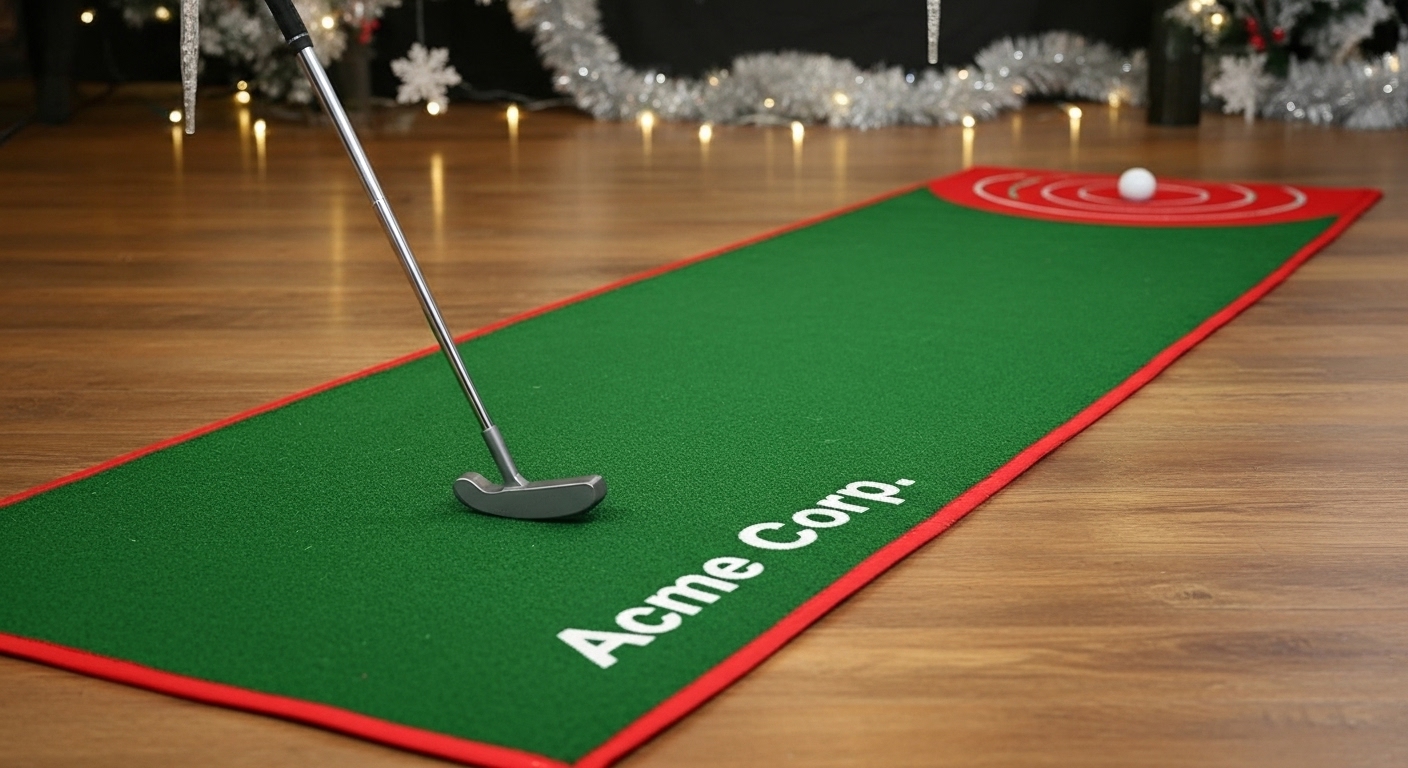
Recruiting teams can use short activities to make an employer booth feel approachable. Career fair booth games can give candidates an icebreaker before a recruiter introduces the organization, its culture, or available opportunities.
Holiday Parties and Corporate Gatherings
For year-end celebrations, prioritize inclusive activities that guests can understand quickly, whether they participate individually or with a team. Branded games for events can provide a shared experience while keeping the client’s identity visible throughout the gathering.
03 / Select the right format
Choose Games That Fit the Space and Audience
The best format depends on the event footprint, audience, participation time, and how prominently the brand needs to appear.
Compact Activities for Smaller Venues
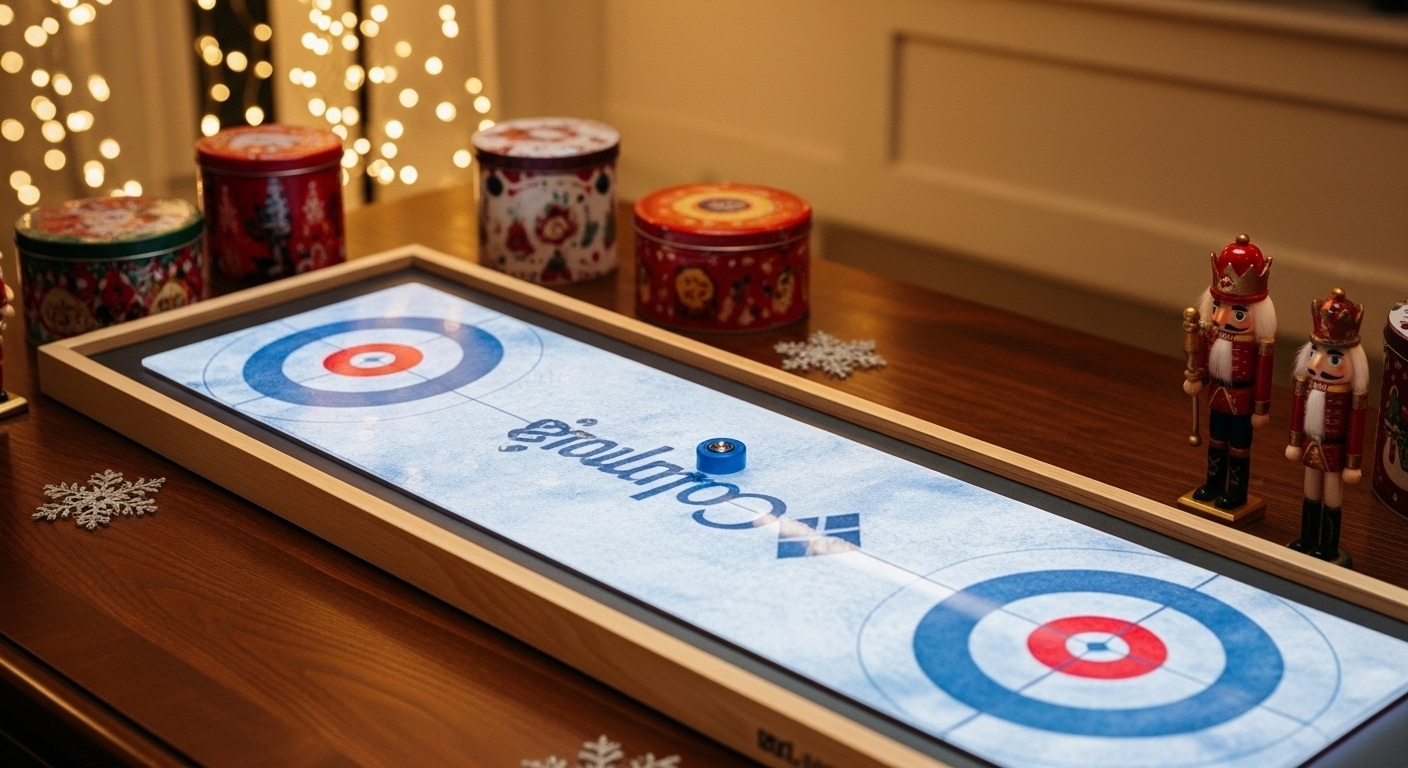
Hospitality suites, registration desks, meeting rooms, and smaller booths need activities that fit the available footprint. Branded mini games can bring interaction to limited spaces without making the game area dominate the event.
When attendees have only a minute or two, look for simple rules and quick rounds. These fun booth games and vendor booth game ideas offer starting points for planning activities that suit different audiences.
Quick-Play Games
A compact activity suited to a counter, tabletop, or smaller event footprint.

Tabletop Challenges
A familiar format that guests can understand without a lengthy explanation.

Target Games
A visible activity that can invite participation from nearby attendees.
Larger Corporate Events
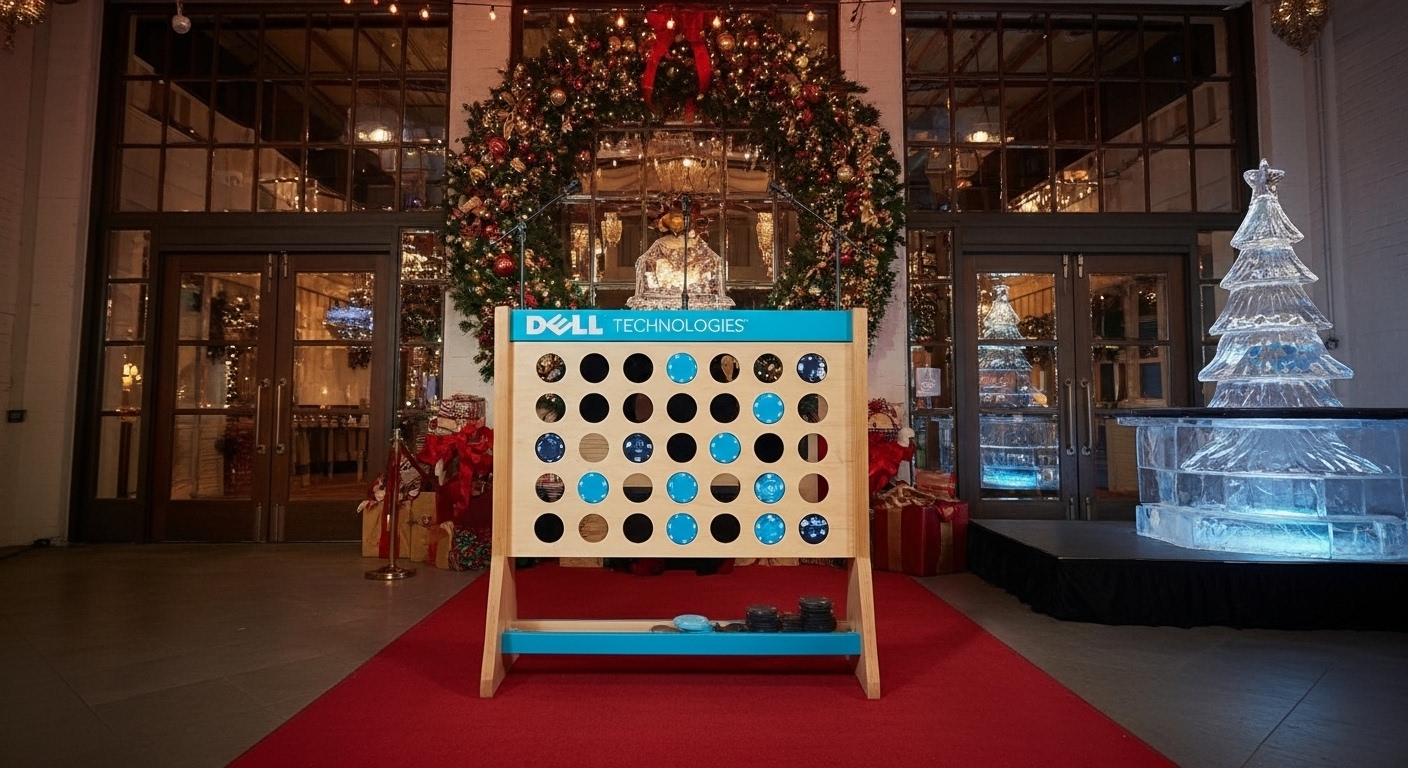
When there is room for a dedicated activity area, multiple stations can create a more immersive experience. Explore carnival games for corporate events, compare corporate carnival games, and browse commercial carnival games when evaluating concepts for larger gatherings.
Keep circulation, supervision, setup space, and accessibility in mind. A compelling activity should invite people in—not obstruct traffic or leave guests unsure how to participate.

Giant Dominoes

Lawn Pong

Ring Race

Hook and Ring

Basketball Challenges

Full-Size Shuffleboard

Table Tennis

Croquet
04 / Make branding intentional
Turn the Game Into Part of the Brand Story
A logo on a game is a starting point, not the entire concept. Consider how the colors, printed surfaces, game mechanics, and participant experience reinforce the client’s personality. A playful consumer brand may favor lively competition, while a business-to-business client may prefer a polished tabletop activity that encourages conversation.
Review these branded game ideas and explore games for brands to help shape an appropriate concept. For a more tailored presentation, consider custom branded games or custom promotional games.
Ask a simple creative question: what should the participant remember after the game ends? A recognizable brand detail, a product benefit, or a conversation with the client’s team can give the experience a purpose beyond entertainment.

05 / Plan the details
Prepare for Winter Logistics Before Event Day
Creative planning works best when it accounts for the practical realities of the venue, delivery, and event-day operation.
Winter brings practical considerations that can be overlooked during creative planning. Confirm whether the activation is entirely indoors or includes outdoor transitions, and verify that the selected materials suit the venue and intended conditions. For deliveries, coordinate production approvals, shipping dates, venue access, and setup windows early.
- Confirm the footprint: Measure the play area and account for queues, spectators, and accessible circulation.
- Approve artwork early: Review logos, colors, rules, and branding before production.
- Assign ownership: Decide who will set up, explain the rules, manage play, and reset the game.
- Test the experience: Check stability, instructions, and game flow before guests arrive.
- Prepare a backup: For outdoor elements, establish an indoor alternative when weather or venue conditions require one.
A simple plan protects the experience. When the game is ready, staff can concentrate on people and conversations instead of solving avoidable setup problems.


Check the Surface
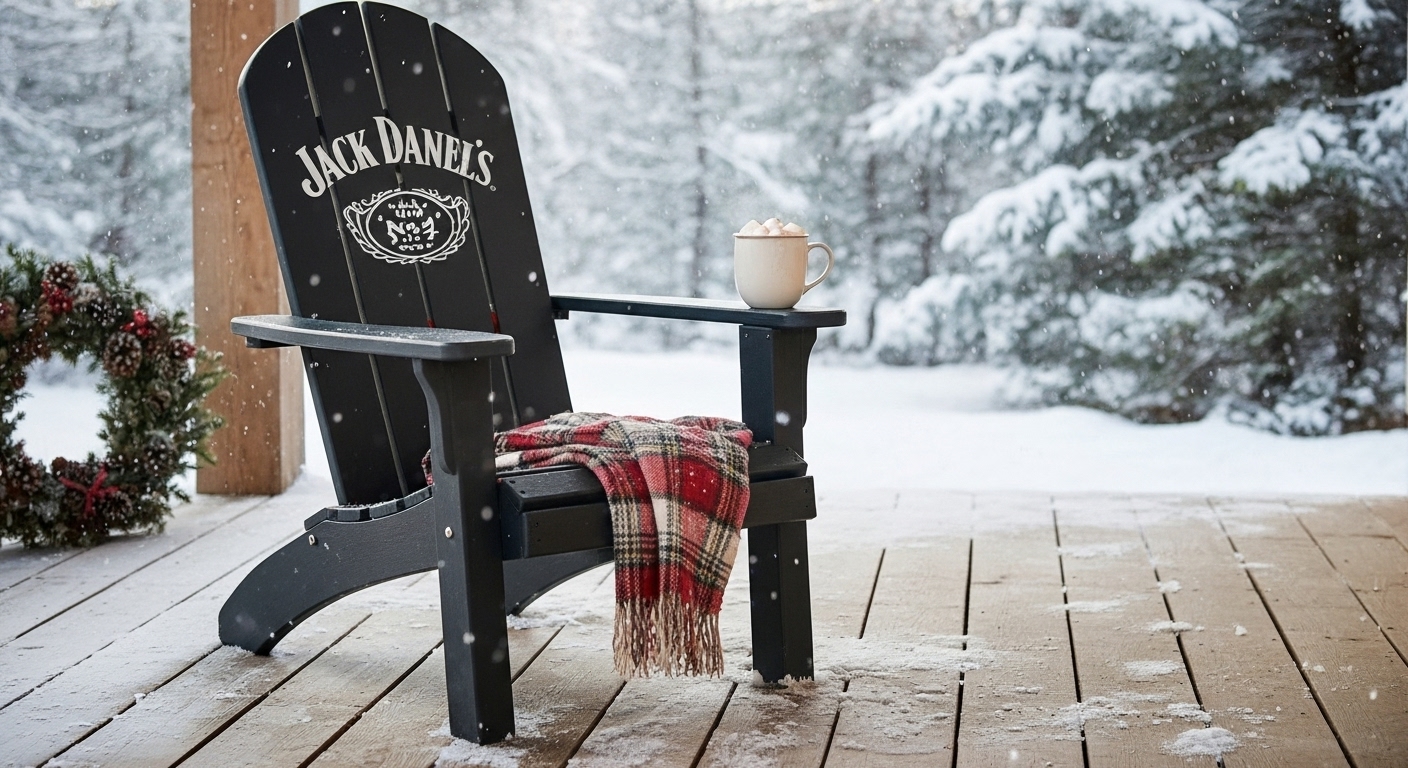
Consider placement, footing, stability, and the planned playing area.
Plan the Surroundings
Think about seating, circulation, and how guests move between activities.

Design the Play Area
Allow room for participants, onlookers, and movement around the game.
06 / Measure what matters
Connect Participation to Marketing Outcomes
A successful activation should have a purpose beyond creating a busy event space. Decide in advance what the team needs to learn from participation.
Before launch, choose a few practical indicators tied to the campaign objective. A lead-generation activation might track qualified conversations and follow-up requests. An employee event might focus on participation across teams. A customer experience could evaluate product demonstrations completed or attendee feedback collected.
Use the results to inform future promotional games for businesses. The goal is not to promise a predetermined return; it is to understand how the activity contributed to the campaign and where the experience can improve.
In practice / Participation at a winter event


07 / Think beyond one event
Extend Winter Campaigns Into Other Seasonal Opportunities
For a broader campaign calendar, keep future seasons in view. Once weather and venue conditions suit outdoor events, custom kites may offer a complementary direction for a later promotional push.
Bring the concept to life
Start Planning Your Winter Brand Activation
The strongest winter activations combine a clear objective, a game that fits the setting, purposeful branding, and a workable event plan. Promotional products agencies can start with the client’s logo, audience, venue, and goals to develop a concept that feels designed for the occasion.
Explore branded games, then share the concept with PromoToss to discuss the next step.