
New Marketing Techniques for In-Person Events Using Games That Drive Real Engagement
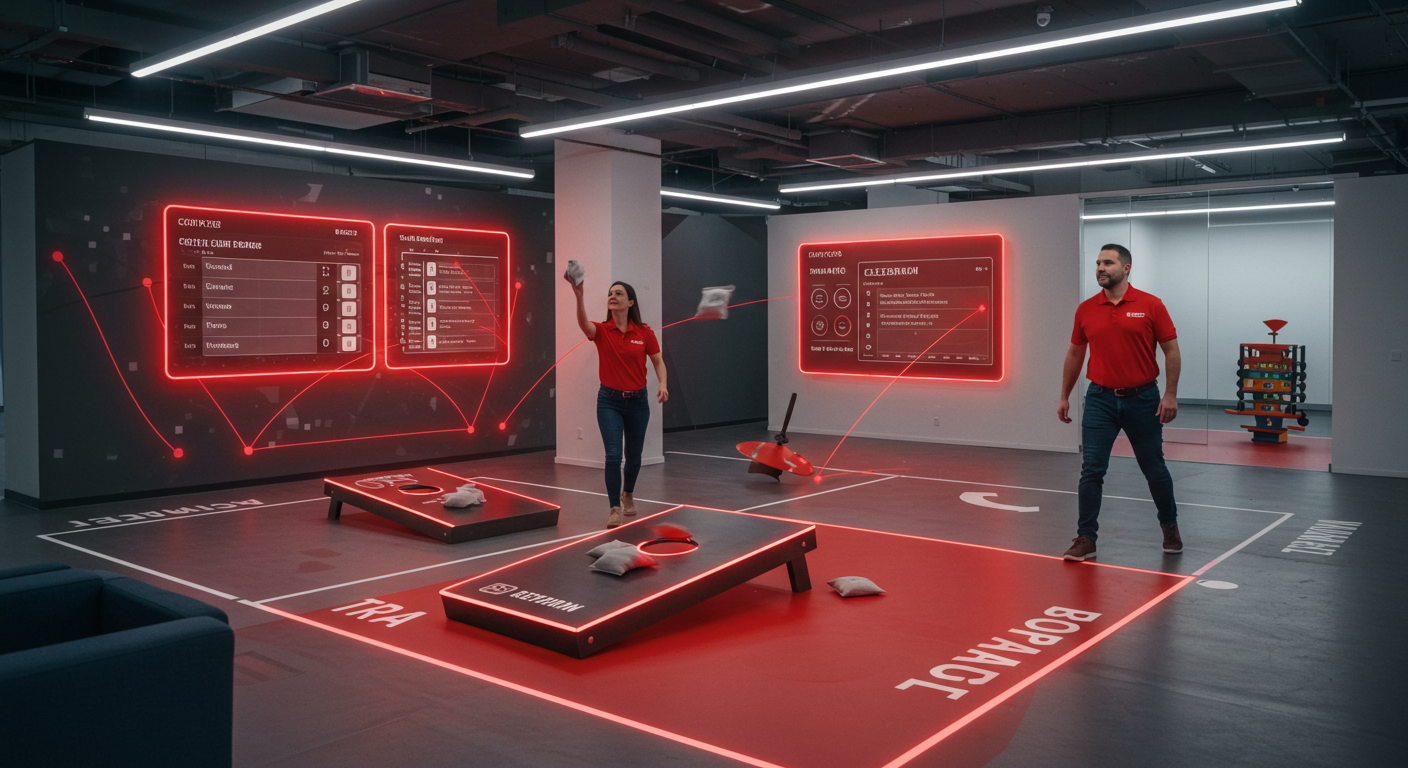
In a crowded event landscape where attention is fragmented and expectations are higher than ever, brands are shifting toward immersive, tactile experiences. branded games are no longer just entertainment—they’re strategic tools designed to capture attention, extend dwell time, and create memorable brand associations. This post explores how modern marketers are using game-based activations to transform in-person events into measurable engagement engines.
 The Shift from Passive to Interactive Marketing
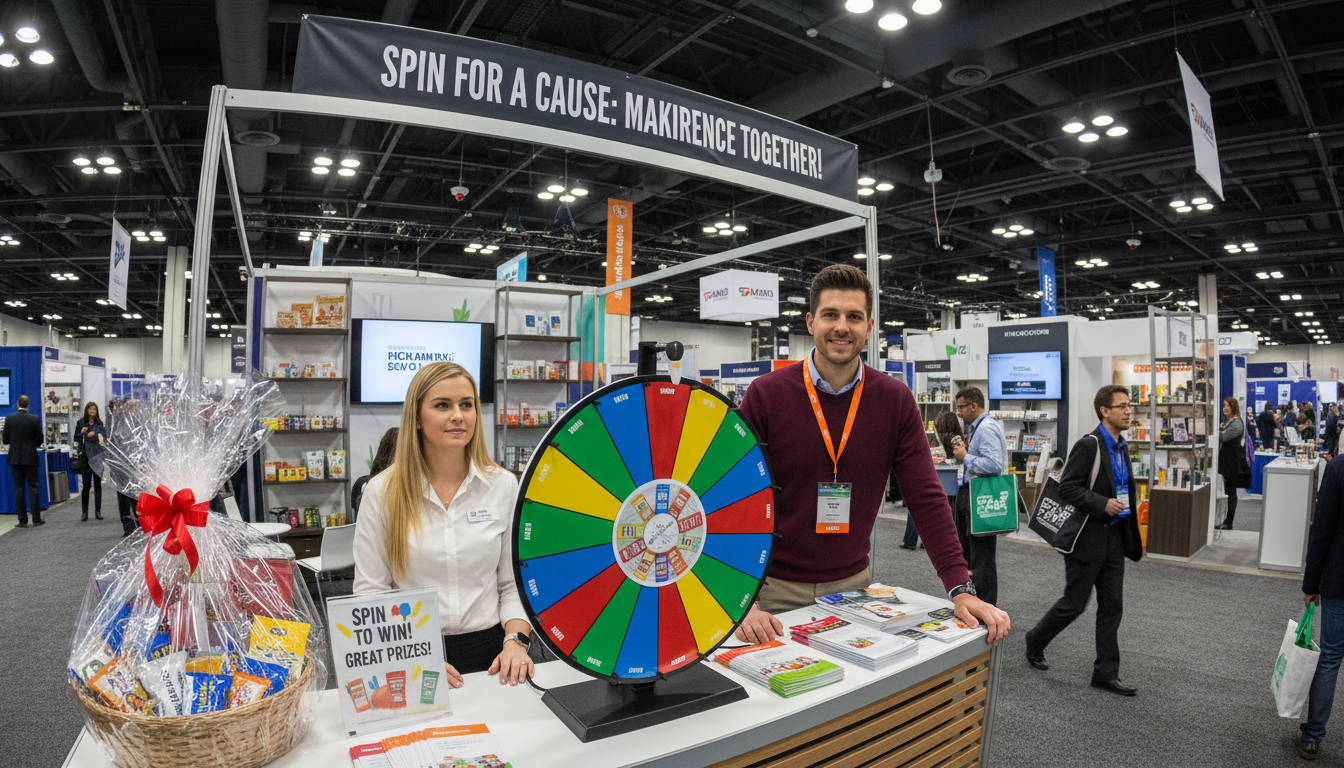
Traditional booths filled with static signage and brochures struggle to compete with experiential formats. Today’s attendees expect interaction. Incorporating interactive marketing games into your setup creates a natural invitation to engage. Instead of asking for attention, you earn it through participation.
Consider a scenario: an attendee walks past ten booths but stops at the one with a live game in progress. The sound, motion, and competition create a micro-environment that pulls people in. That’s the difference between visibility and engagement.
 Designing for Memorability: Games as Brand Vehicles
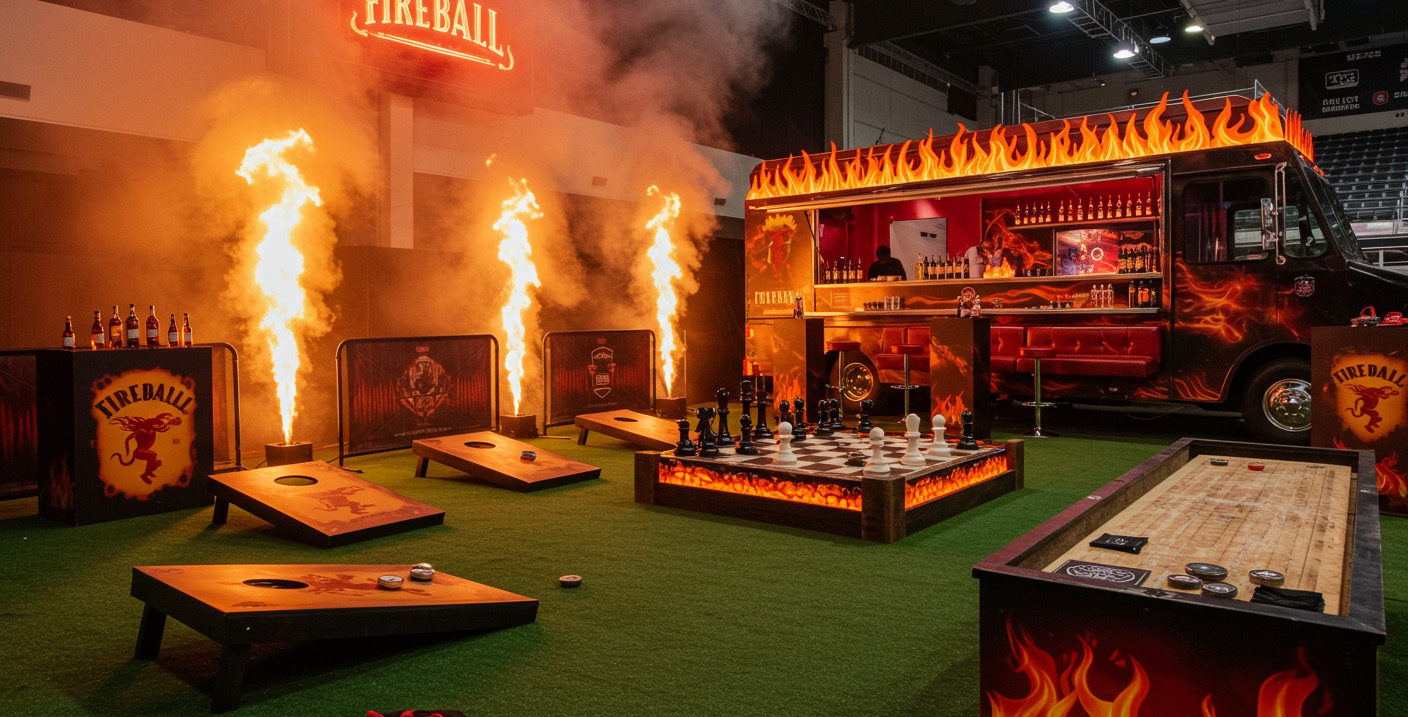
Games provide a physical canvas for storytelling. Whether it’s custom finishes, brand colors, or integrated messaging, brand activation games allow marketers to embed identity directly into the experience. The goal isn’t just play—it’s recall.
Pairing gameplay with unique marketing giveaways amplifies the effect. When a participant wins a prize tied to the experience, the memory becomes tangible and portable, extending the life of the interaction beyond the event floor.
 Strategic Use Cases Across Event Types
Trade Shows
At large expos, differentiation is critical. Incorporating trade show games helps brands stand out while facilitating lead capture. Games create a natural pause in attendee movement, giving sales teams a window to connect.
For deeper inspiration, explore trade show game ideas that combine gameplay with messaging strategy.
Outdoor & Tailgate Activations
In open-air environments, scale and durability matter. tailgate games and outdoor bar games create social hubs where groups gather organically. These formats thrive in relaxed settings where competition and conversation blend naturally.
 Sports & Lifestyle Events
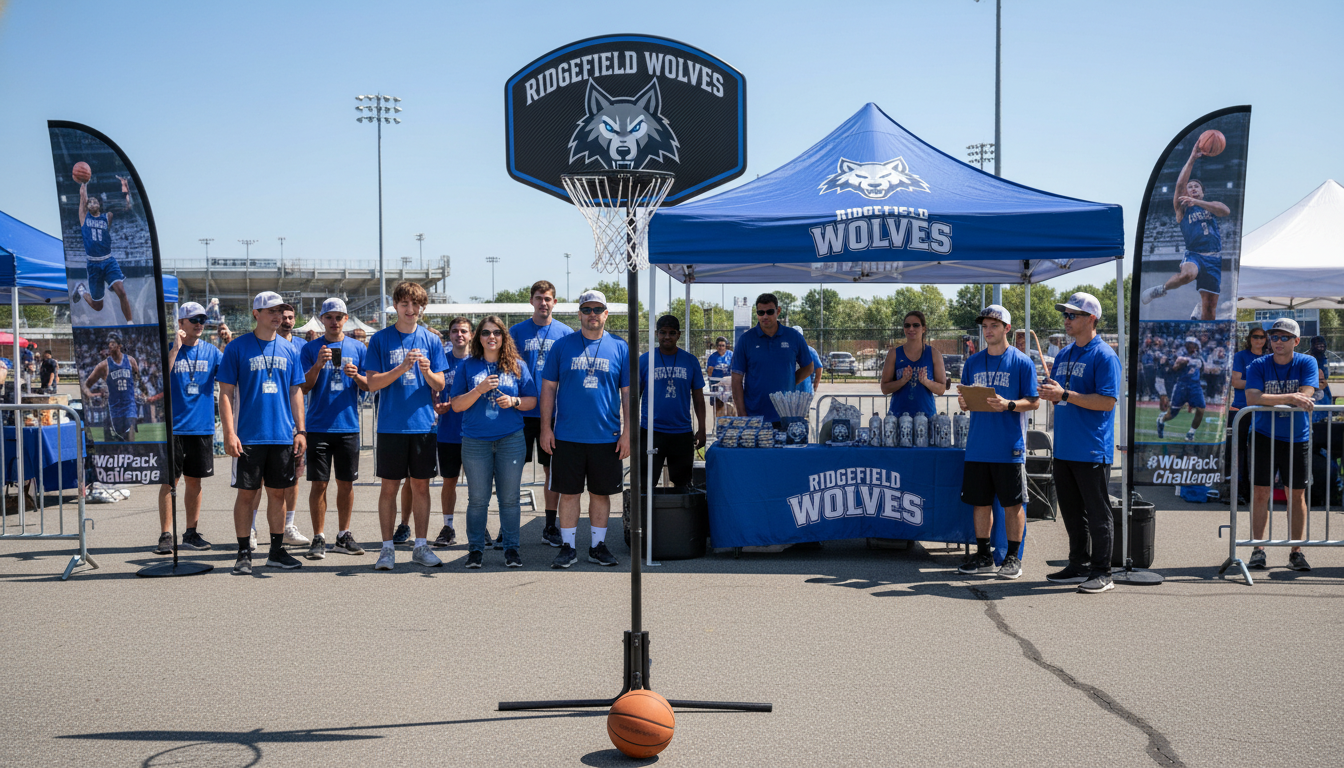
Aligning with audience interests increases relevance. Integrating sports promotional items or sports promotional merchandise into gameplay connects directly with fan identity. Whether it’s skill-based challenges or casual toss games, the familiarity lowers the barrier to entry.
 Customization as a Competitive Advantage
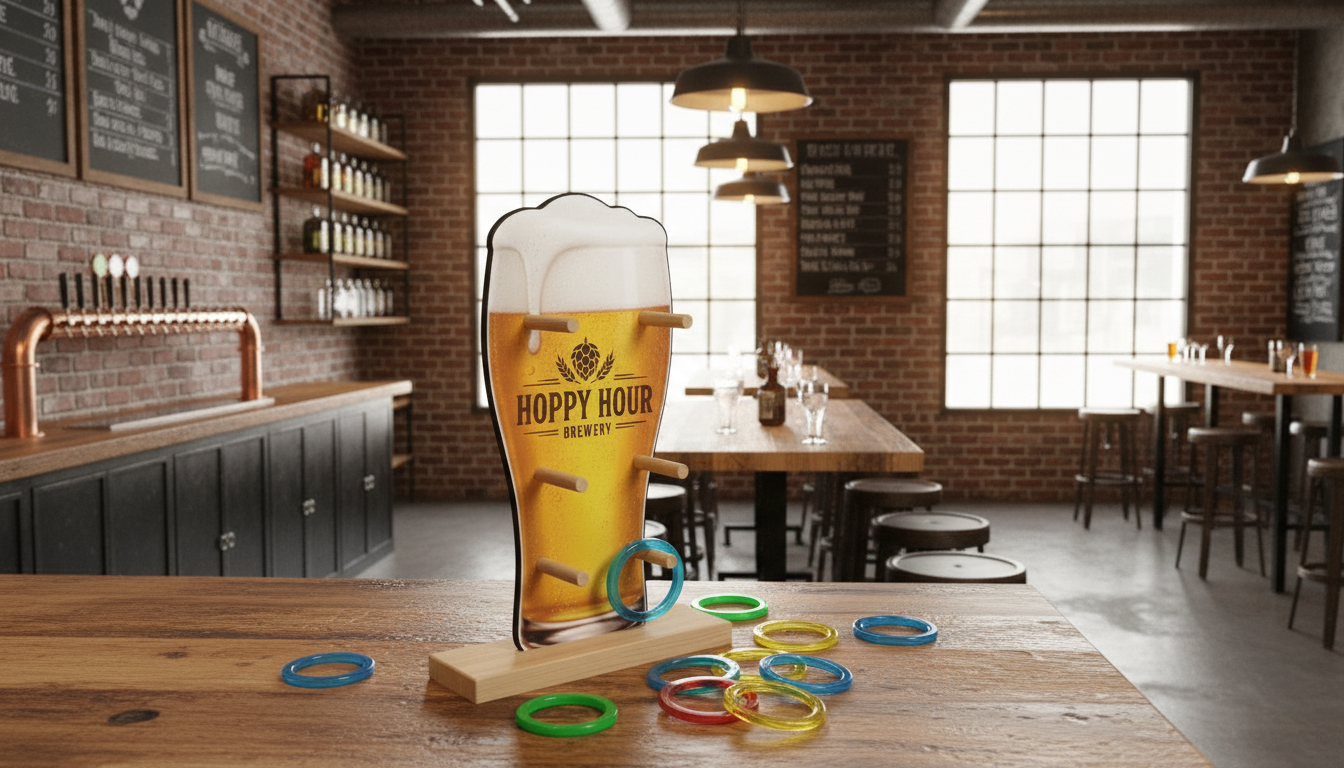
Generic experiences are forgettable. Customization—both visual and mechanical—turns a simple game into a signature activation. Products like custom kites or modular tabletop games allow brands to experiment with form while maintaining portability.
Even subtle design decisions—materials, finishes, scoring mechanics—can reinforce brand positioning. A minimalist aesthetic communicates something entirely different than a bold, high-energy build.
 Building Campaigns, Not Moments
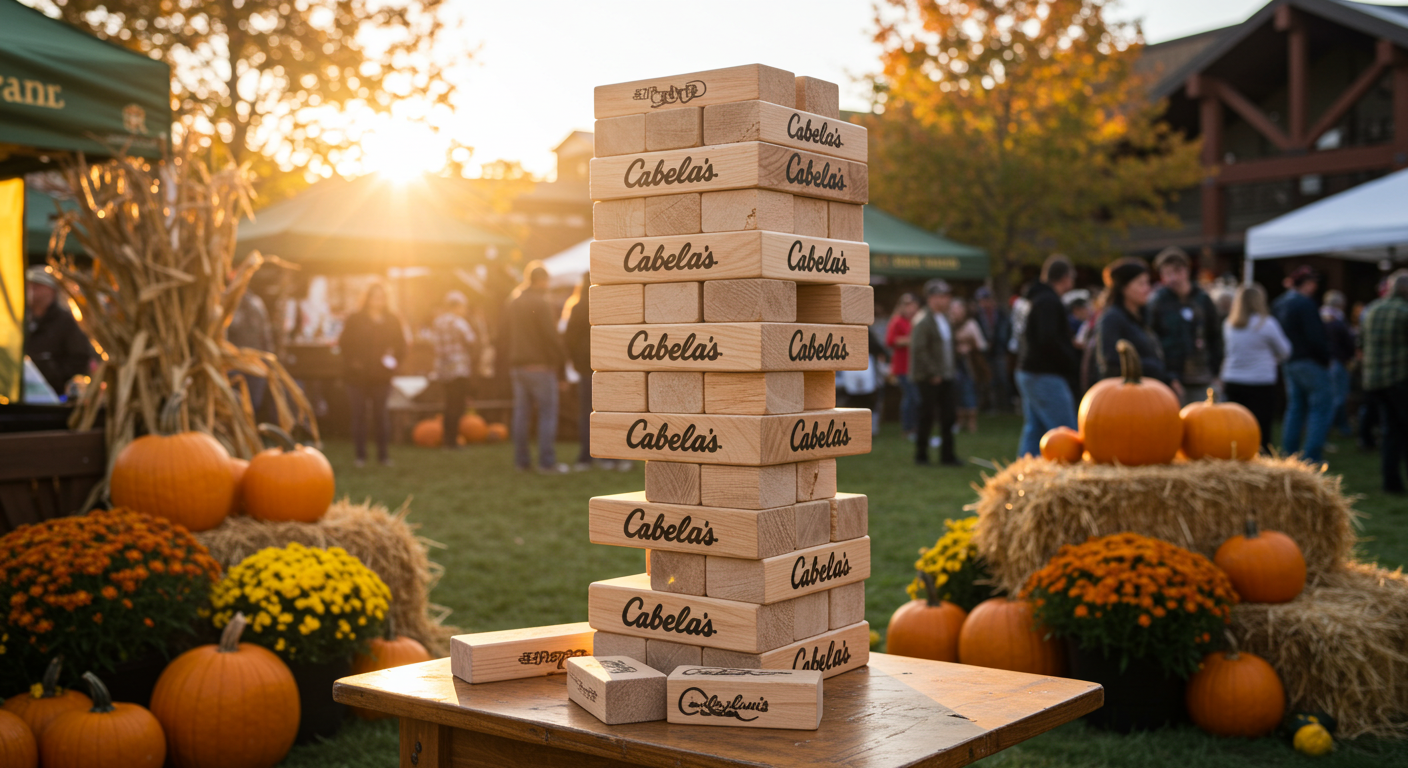
The most effective activations extend beyond a single event. Smart marketers use promotional games as part of a broader campaign ecosystem. This includes:
- Pre-event teasers showcasing the game
- On-site engagement with data capture
- Post-event follow-ups tied to gameplay outcomes
In this framework, marketing games become recurring assets rather than one-off investments.
 Measurable Outcomes Without Breaking the Experience
While games are inherently fun, they can also be structured for performance. Think in terms of:
- Engagement duration (time spent playing)
- Participation rate (players vs. passersby)
- Social amplification (shares, photos, mentions)
These concept-level metrics help quantify success without disrupting the flow of the experience. The key is designing interactions that feel organic while still supporting business objectives.
 The Future: Hybrid Physical-Digital Play
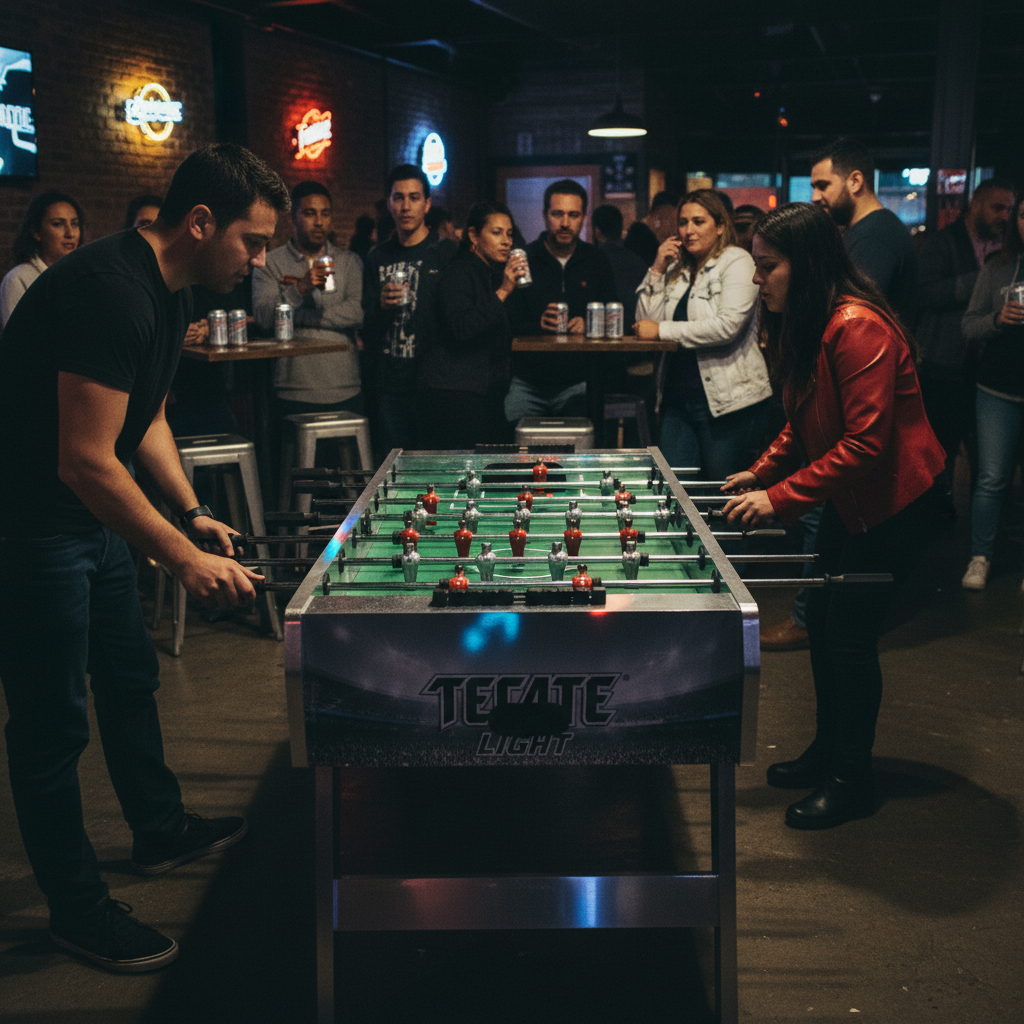
Emerging trends point toward hybrid activations—physical games enhanced by digital layers. QR integrations, leaderboards, and mobile tie-ins allow interactive marketing games to extend into the digital space without losing their tactile appeal.
This convergence creates a feedback loop: physical play drives digital engagement, which in turn reinforces brand memory.
Conclusion: From Booths to Experiences
The evolution of in-person marketing is clear. Static displays are giving way to dynamic, participatory environments. By leveraging fun promotional games, brands can transform events into immersive experiences that resonate long after the interaction ends.
If you’re ready to elevate your next activation, consider how gameplay can align with your brand story, audience behavior, and campaign goals.
Next Steps: