
Special Opportunity:
Custom lifestyle pitch deck with your logo (Over 50 pages!) — FREE.
Experiential Marketing Games: Turning Events Into Memorable Brand Experiences
Experiential marketing games have moved from “nice-to-have” booth attractions to core strategic tools for brands that want to be remembered. In an era where attention is fragmented and traditional advertising struggles to break through, interactive, physical experiences create something digital alone cannot: participation. When attendees play, compete, laugh, and linger, brands earn time, recall, and emotional connection.
This article explores how experiential marketing games elevate events, how they intersect with trends like alcohol experiential marketing, and how smart teams think about experiential marketing metrics beyond surface-level impressions. Along the way, we’ll highlight proven game formats—from branded cornhole to pickleball and prize-based activations—that consistently deliver results for agencies and their clients.
 Why Experiential Marketing Games Work
The power of experiential marketing lies in immersion. Games transform passive attendees into active participants. Instead of walking past a logo, people interact with it—sometimes for minutes at a time. That interaction builds memory structures far stronger than a banner or handout ever could.
For event planners and agencies, games also solve practical problems:
- They stop foot traffic and create natural gathering points.
- They extend dwell time without forced sales conversations.
- They provide visual energy that attracts secondary audiences.
- They create organic content moments worth photographing and sharing.
This is why brand activation games consistently outperform static displays at trade shows, festivals, and corporate events.
 From Branded Games to Full Activations
The most effective experiential marketing games aren’t random novelties—they’re designed with intent. A branded cornhole set, for example, isn’t just a lawn game. When placed strategically, it becomes a competitive social hub. Teams gather, onlookers cheer, and the brand remains front and center for the entire interaction.
Products like branded cornhole boards or giant tabletop games turn open floor space into activated real estate. The game defines the footprint, controls traffic flow, and anchors the brand visually.
Pickleball is another strong example. Once a niche sport, it’s now a social phenomenon. Using pickleball event ideas, brands can create approachable, inclusive experiences that scale from intimate brand socials to large tournaments.
 Alcohol Experiential Marketing: Games That Encourage Responsible Engagement
Alcohol experiential marketing presents a unique challenge: brands want engagement without overconsumption, and regulators demand responsible activation design. Games solve this elegantly.
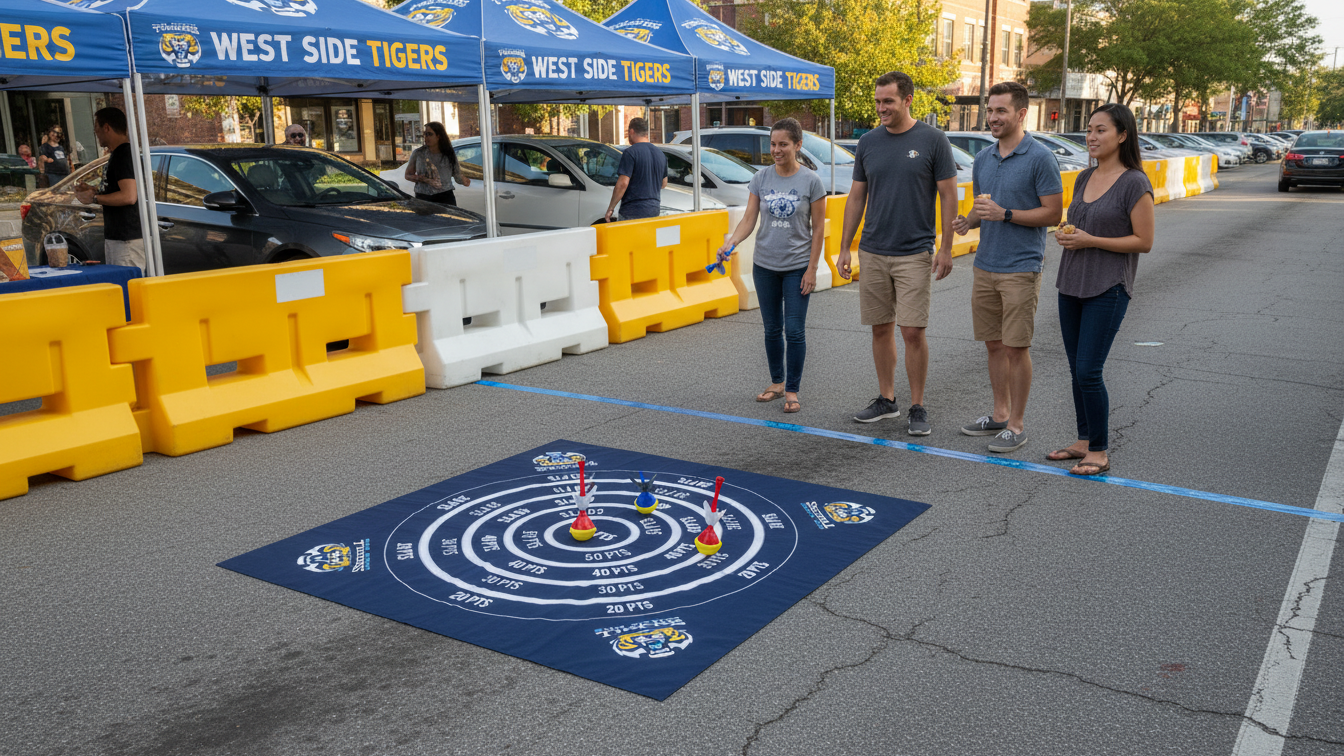
Instead of centering the experience around drinking itself, smart activations center around play. Lawn games, prize wheels, and skill-based challenges encourage pacing while keeping the brand present. A branded washer toss or ladder ball set keeps guests occupied between pours, extending event time without increasing consumption.
This is why beer gardens, distillery tours, and festivals often rely on brewery games and outdoor bar games. The brand becomes associated with fun, competition, and community—not excess.
 Choosing the Right Game Format
Not all experiential marketing games serve the same purpose. The key is matching the game to the goal.
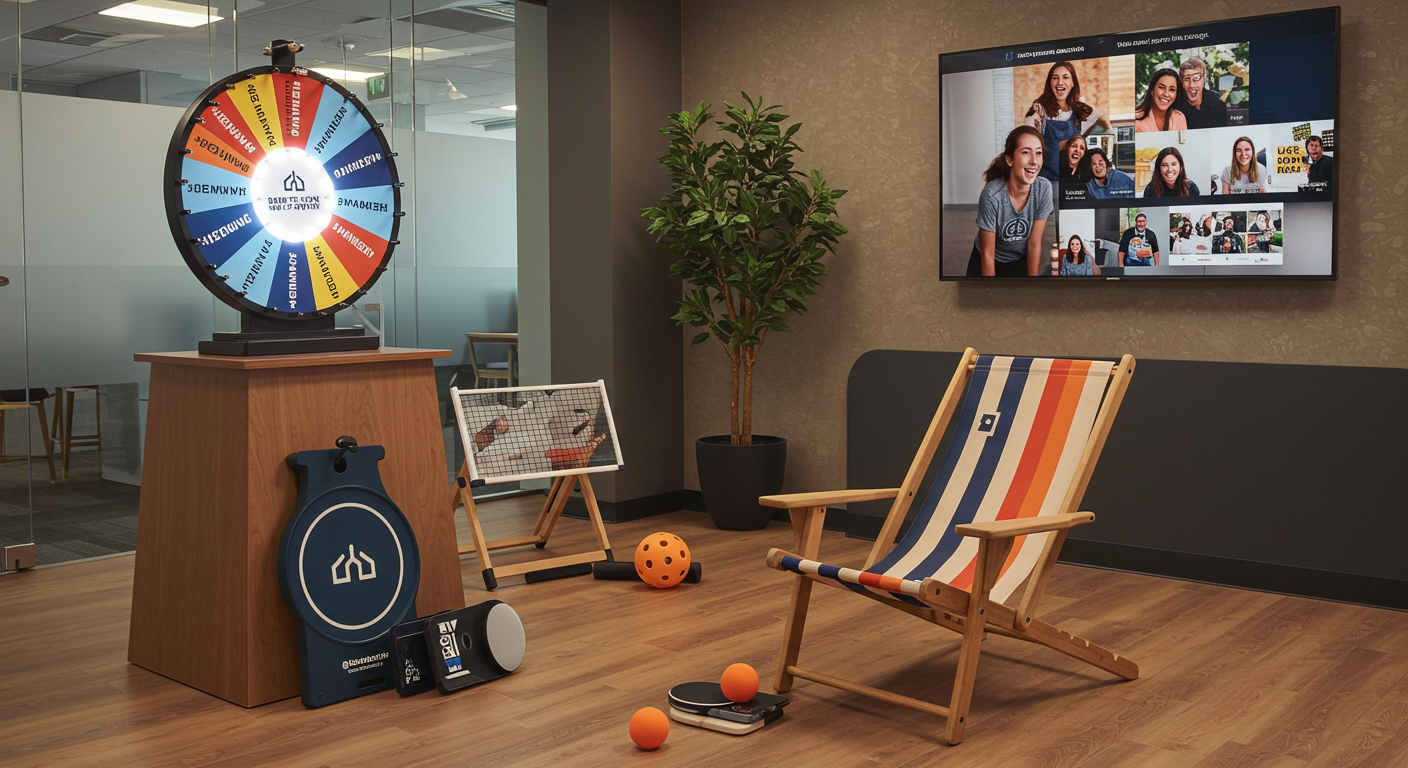
- High-traffic trade shows: Quick-play games like prize wheels, mini hoops, or drop-to-win units create fast engagement cycles.
- Outdoor festivals: Lawn games such as cornhole, giant tic-tac-toe, and ladder ball create social gravity.
- Corporate hospitality: Premium-feeling games like putting greens or shuffleboard elevate brand perception.
- Retail or pop-ups: Compact tabletop games drive interaction without overwhelming space.
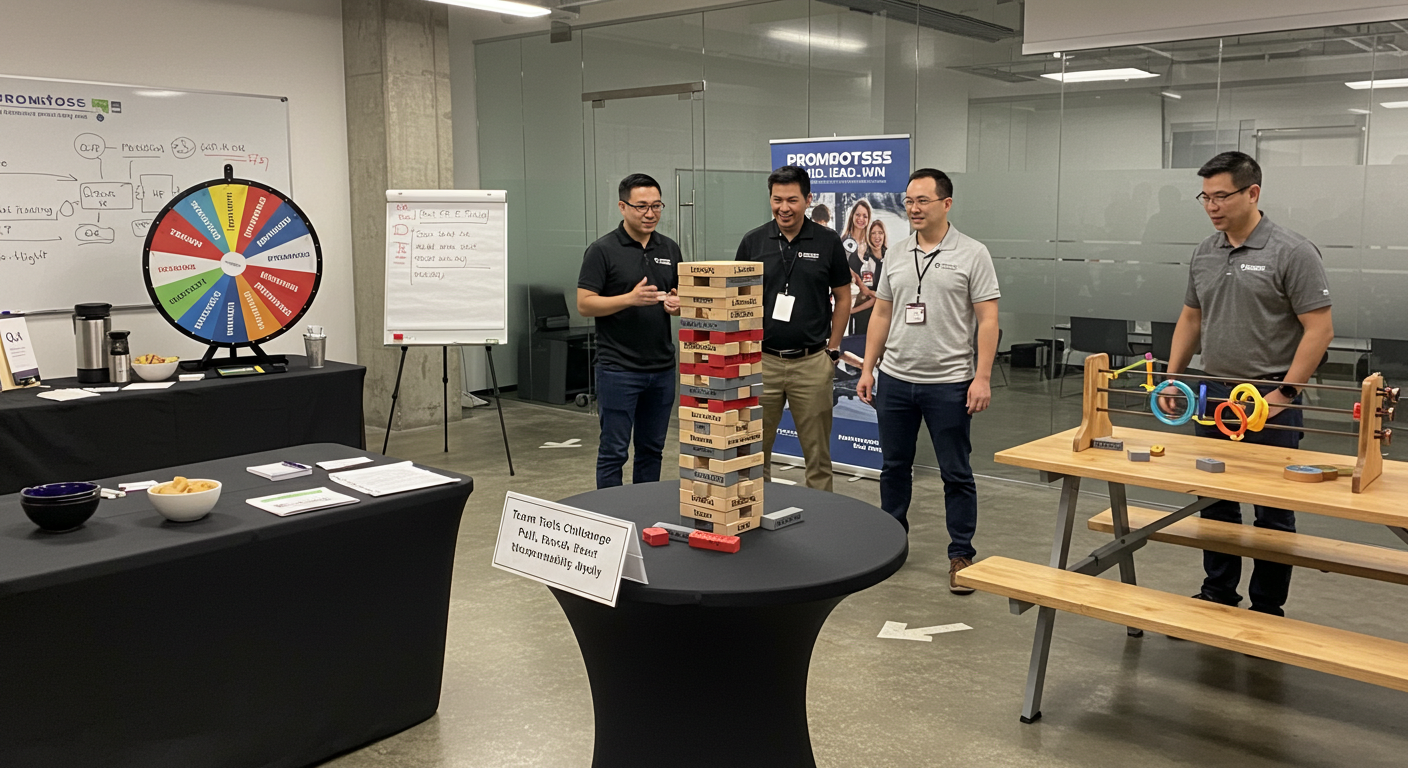
Exploring professional carnival games can also help agencies design multi-station experiences that keep audiences moving while maintaining brand consistency.
 Experiential Marketing Metrics: Measuring What Actually Matters
One of the most common questions around experiential marketing is: “How do we measure success?” Experiential marketing metrics shouldn’t focus solely on raw numbers like impressions or scans. Instead, they should reflect quality of interaction.
Effective concept-level metrics include:
- Average dwell time per participant
- Repeat plays or re-engagement
- Audience clustering and secondary engagement
- Content creation moments (photos, videos, social sharing)
- Post-event brand recall in follow-up conversations
Games naturally support these outcomes. A well-designed activation doesn’t rush people through—it invites them to stay.
 Games as Corporate Gifts and Sales Enablement Tools
Experiential marketing games don’t stop working when the event ends. Many agencies now position branded games as corporate gifts for key clients, distributors, or internal teams. A branded cornhole set or custom ring toss becomes a long-term brand touchpoint that lives in offices, backyards, or break rooms.
This dual-use value—event activation plus lasting gift—is why games are increasingly featured alongside corporate gifts for clients. The brand impression doesn’t expire after the show floor closes.
 Designing for Shareability and Scale
The best experiential marketing games are designed with visibility in mind. Large graphics, bold color, and intuitive gameplay ensure that even spectators understand what’s happening. This visual clarity turns games into beacons on crowded floors.
Games like mini basketball hoops, prize putt setups, or fully branded pickleball courts are especially effective at creating “Instagram-worthy” moments without feeling forced. When the game looks good, people document it naturally.
 Bringing It All Together
Experiential marketing games sit at the intersection of play, branding, and strategy. They support alcohol experiential marketing by encouraging responsible pacing. They simplify experiential marketing metrics by increasing dwell time and engagement quality. And they give agencies a tangible, high-impact tool to pitch, sell, and scale.
Whether you’re planning a trade show, festival, corporate outing, or branded pop-up, games turn space into experience—and experience into memory.
Ready to activate?
Because the brands people remember are the ones they didn’t just see—they played.